
What's the Healthiest Whole Grain? [1]
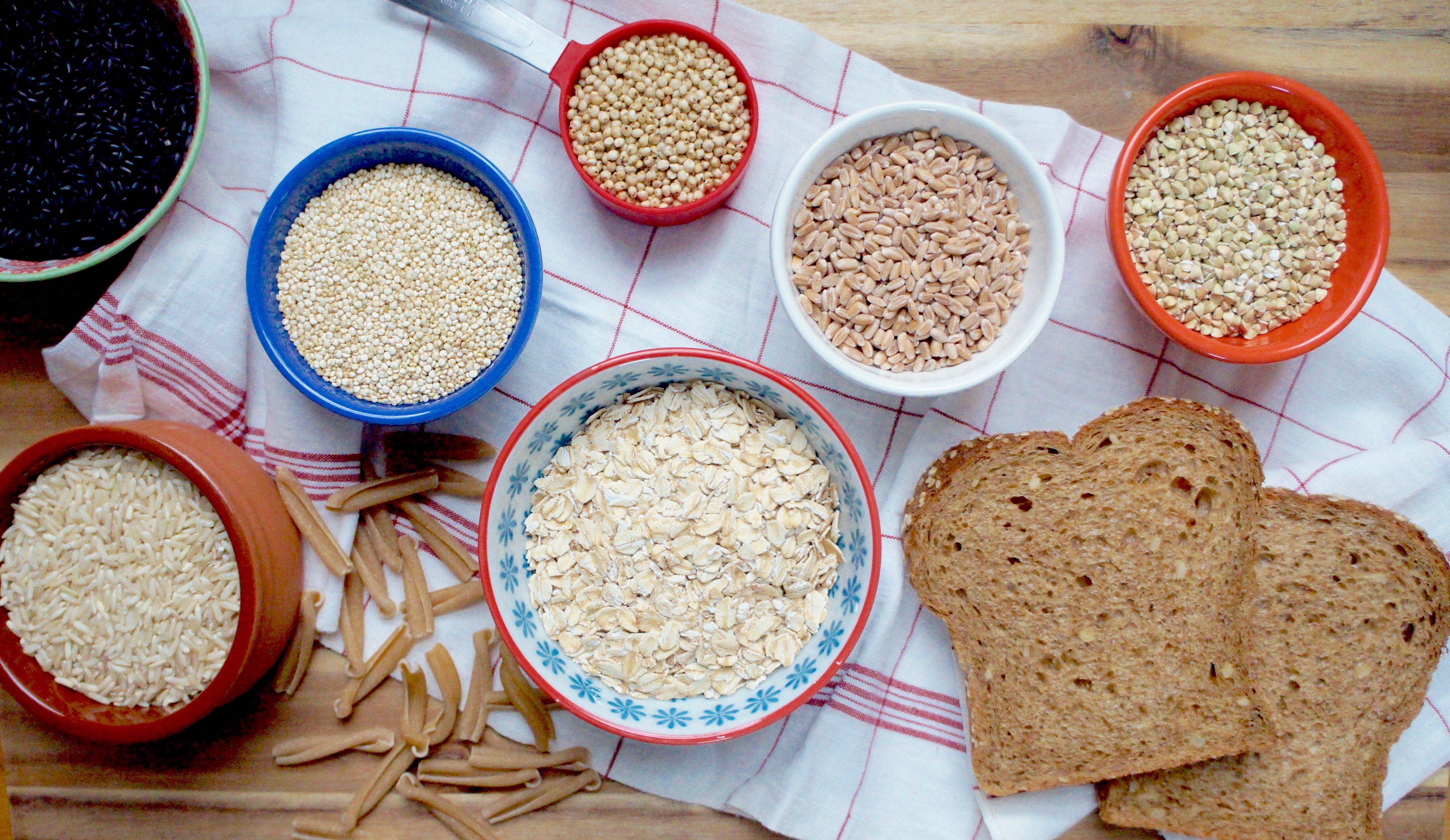
Which whole grain is the most nutritious? It’s a question we get time and time again at the Oldways Whole Grains Council. And for a good reason — there are lots of strong contenders.
Quinoa is a considered a complete protein, meaning that it contains all essential amino acids in a healthy balance. Teff has more calcium than other whole grains. Barley and oats have some of the highest fiber levels, and contain a special type fiber, called soluble beta-glucan fiber, that helps to lower cholesterol. Rye is studied for its role in promoting satiety. Amaranth has one of the highest magnesium levels of all grains, while wild rice has the most zinc. Other grains like sorghum, brown rice, and whole wheat also have an impressive roster of vitamins and minerals.
So which of these qualities is most important, and which whole grain shakes out on top? As much as we’d like an easier answer, it’s not possible to identify a single most nutritious option. Our bodies need a wide range of vitamins and minerals. The calcium (a mineral that 44% [2] of Americans are falling short in) in teff isn’t any more or less important than the magnesium (a mineral that 52% [2] of Americans are falling short in) in amaranth – they both provide essential functions in the body.
Additionally, the nutrients in a grain can vary widely from one variety to the next, especially in ancient grains and non-commodity grains. To make matters more complicated, the amount of a nutrient like protein in a grain can also vary widely by climate [3] and characteristics such as how much rainfall the crop had. This means that the variety that has more protein this year might have less protein next year, or it may have less protein than the same variety grown in a different climate.
Each grain has its own little specialties [4]. Trying to find “the best whole grain” is just as elusive as trying to find “the best” fruit or vegetable. Since they each offer different vitamins, minerals, and antioxidants, wise eaters enjoy a variety to fill nutrient gaps and enjoy an abundance of flavors, textures, and colors. Most Americans are falling short of their recommended whole grain intake (and their recommended fruit and vegetable intake too, for that matter). This means that for most people, substituting one whole grain or fruit or vegetable isn’t going to make as much of a difference as focusing on eating more of them from a wide variety of sources.
There’s no need to let the perfect be the enemy of the good [5]. If you’re eating a balanced diet filled with a variety of whole grains and other healthy plant foods, you’re taking incredible care of yourself! (Kelly)
To have our Oldways Whole Grains Council blog posts (and more whole grain bonus content!) delivered to your inbox, sign up for our monthly email newsletter [6], called Just Ask for Whole Grains.