
From Wheat Fields to School Meals: How the Wheat2School® Program Is Transforming Whole Grain Education [1]
In classrooms across the US, educators are looking for ways to help students engage with nutrition and agriculture and understand their food system. For many children, food simply appears on a plate or a cafeteria tray, disconnected from the land, the farmers, and the process that brought it there. The Wheat2School® program in California is working to change that.
Developed through research and hands-on collaboration with teachers, students, and foodservice staff, Wheat2School® connects children to the journey of wheat from seed to table. The program blends school gardening, food science, culinary education, and cultural storytelling to help students understand and enjoy whole grains in a new way.
The Moment That Started It All
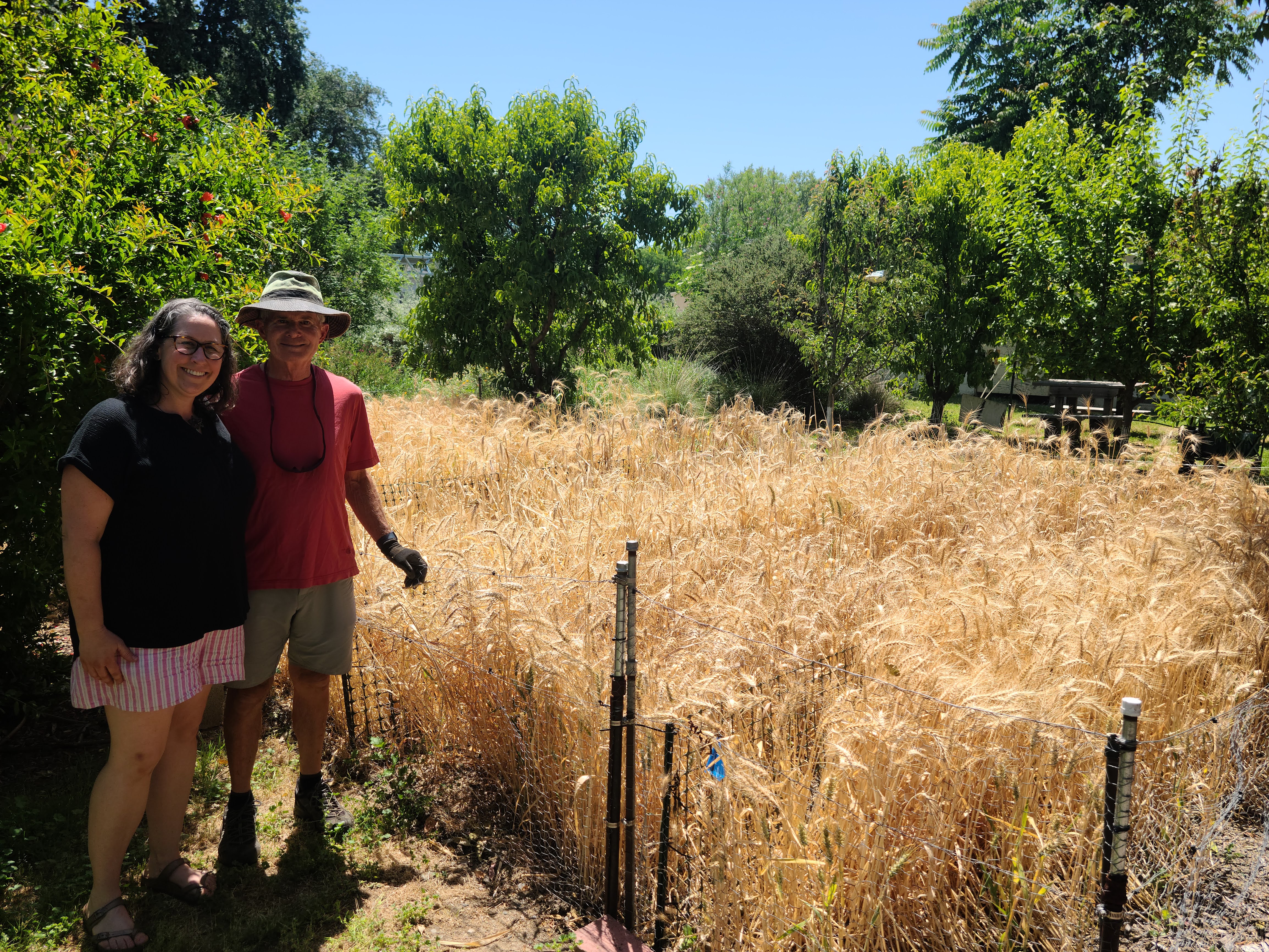
The origin of Wheat2School® was surprisingly simple. It began when two elementary school garden volunteers invited Dr. Claudia Carter, a wheat scientist and Executive Director of the California Wheat Commission, to help harvest a small crop grown by their students. The harvest was done by hand, and afterward Dr. Carter invited the children into her wheat lab to see what happens next: quality testing, milling grain into flour, and baking food together.
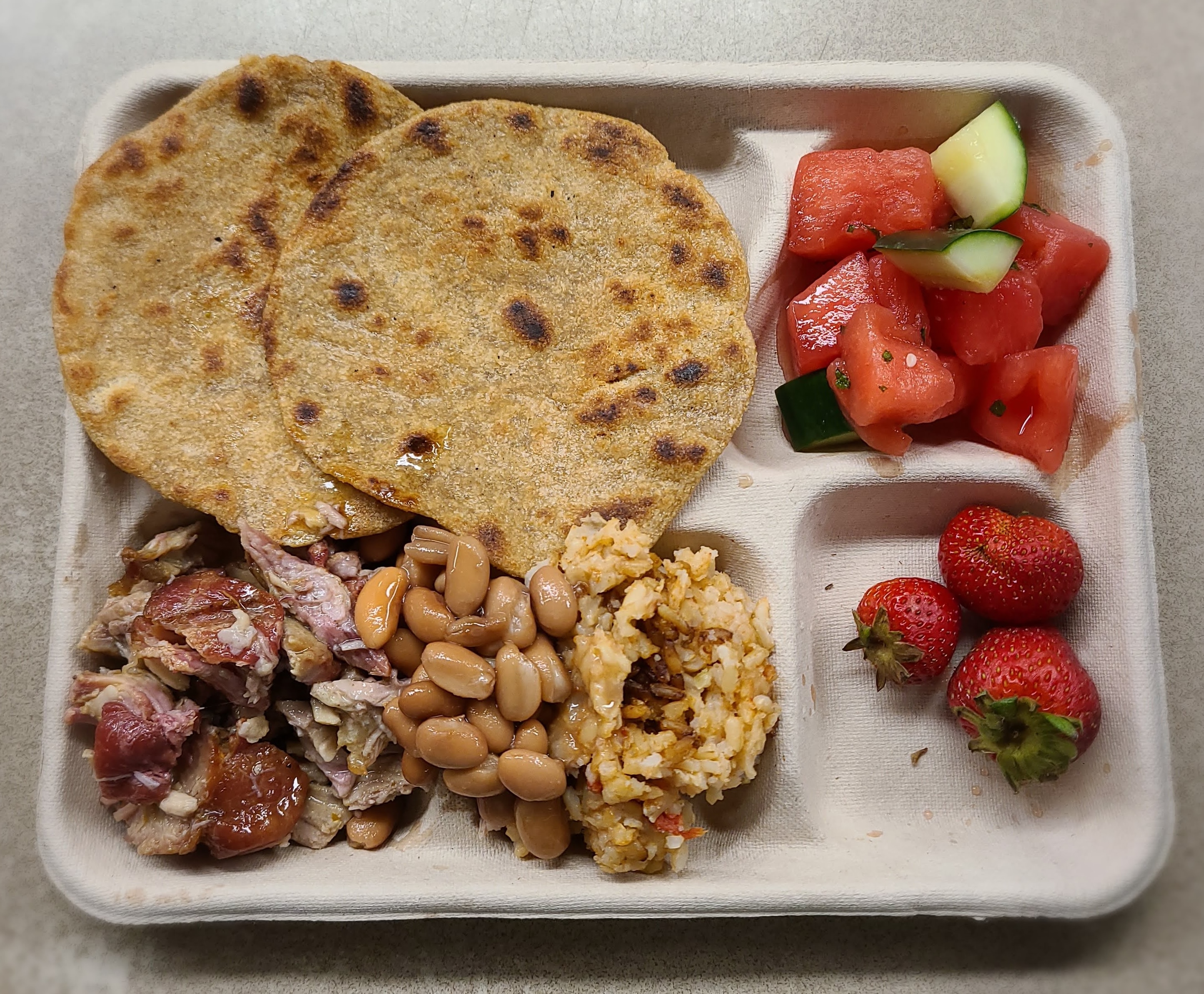
The students who had planted and harvested the wheat watched it transform into flour, then into tortillas made with 100% whole wheat. When they tasted the final product and proclaimed it “the best tortilla in the world,” Carter was hooked. “That told me something powerful: kids actually enjoy whole grains when they have a positive, hands-on experience with them.”
That realization sparked a bigger question: if this experience could change how a small group of students viewed whole grains, could it work at scale? Carter got to work applying for grant money that would allow her to move Wheat2School® from proof-of-concept into a pilot program across several school districts.
Why Hands-On Learning Matters
From the beginning, Wheat2School® was built around the simple principle that people tend to learn best through experience and exposure. School garden programs have long used this model successfully with fruits and vegetables. When students plant tomatoes or carrots, they become more curious about tasting them. But grains, despite being a major part of diets around the world, rarely receive the same hands-on educational attention.
Carter’s Wheat2School® program was designed to adapt the proven “garden-to-table” model to grains by integrating several learning components, including gardening, processing, cooking experiences, and classroom lessons.
“The multi-sensory approach matters,” Carter explains. “When children plant, harvest, mill, mix, bake, taste, and connect it to math, history, science, and culture — learning becomes real. Research shows children retain more when multiple senses are engaged. Wheat becomes more than an ingredient; it becomes a teaching tool.”

Changing Perceptions About Whole Wheat
One of the most surprising discoveries during the project was not about the students, but rather about the adults who participated. Many teachers, parents, and even foodservice professionals admitted they knew very little about wheat or had negative perceptions of whole wheat foods and thought of them as being dense, dry, or unappealing. Those assumptions quickly changed once people tasted waffles, muffins, focaccia, and fettuccine made with the freshly milled whole wheat flour. They started asking “Where can I get this?” and “How do we keep doing this?”
That shift in perception proved to be critical. When the foodservice staff and teachers believed in the food, they became enthusiastic partners in the program and Carter encouraged them to share a sense of ownership over the recipe development process.
The results were extremely positive. Participation in school meals increased on days when the whole wheat items were served, and more teachers began eating in the cafeteria alongside students. “Once the adults believed it could work — and tasted the proof — they were willing to put in the extra effort. And at the end of the day, they are there to serve children the best food possible. Seeing students enjoying the food made it worth it for them. That shift in perception was just as important as the student outcomes,” Carter explained.
Overcoming Policy Barriers
Building a program like Wheat2School® was not without challenges. One early hurdle involved school food policy. When the project first applied for a California farm-to-school grant, bread and flour-based products were excluded because they were classified as “moderately processed foods,” often with too many ingredients to align with the grant’s focus on “whole or minimally processed foods.” While wheat itself was technically eligible, bread was not.
Through conversations with the grant managers explaining how minimally processed wheat products fit the goals of the farm-to-school program, the grant guidelines evolved.
By 2022, schools were allowed to procure California-grown wheat and even whole-grain products from local bakeries if they met sourcing and processing standards. That change demonstrated how policy can shift through collaboration and open dialogue.
The Power of Connecting with Cultural Heritage
One of the most meaningful aspects of the program was its focus on cultural relevance. Many participating schools served large Hispanic and Latino student populations, where foods made with wheat, especially tortillas, are culturally important. Lessons were offered in both English and Spanish, and students were encouraged to connect what they learned in class with their own family traditions.
“The results were powerful,” said Carter. During a wheat-harvesting activity, one student shared that separating grain from chaff reminded them of doing the same task with their grandmother in Mexico. Moments like that turned an agriculture lesson into a bridge between school learning and family heritage.
Through the course of the research project, Hispanic and Latino students showed particularly strong improvements in their knowledge of the topics covered, and students who completed the survey in Spanish demonstrated significantly higher gains in nutrition understanding. Carter reflected on these markers of success. “When you combine evidence-based, hands-on learning with cultural relevance, it works. Wheat became a tool to teach health, agriculture, pride, and identity, all at the same time. And that is when you know you are building something that lasts.”
Sometimes, the path to healthier diets and deeper food knowledge begins with something as small as a handful of wheat seeds planted in a school garden. (Caroline)
To have our Oldways Whole Grains Council blog posts (and more whole grain bonus content!) delivered to your inbox, sign up for our monthly email newsletter [2], called Just Ask for Whole Grains.