
From Maize to Masa: Corn’s Journey Through the Americas [1]
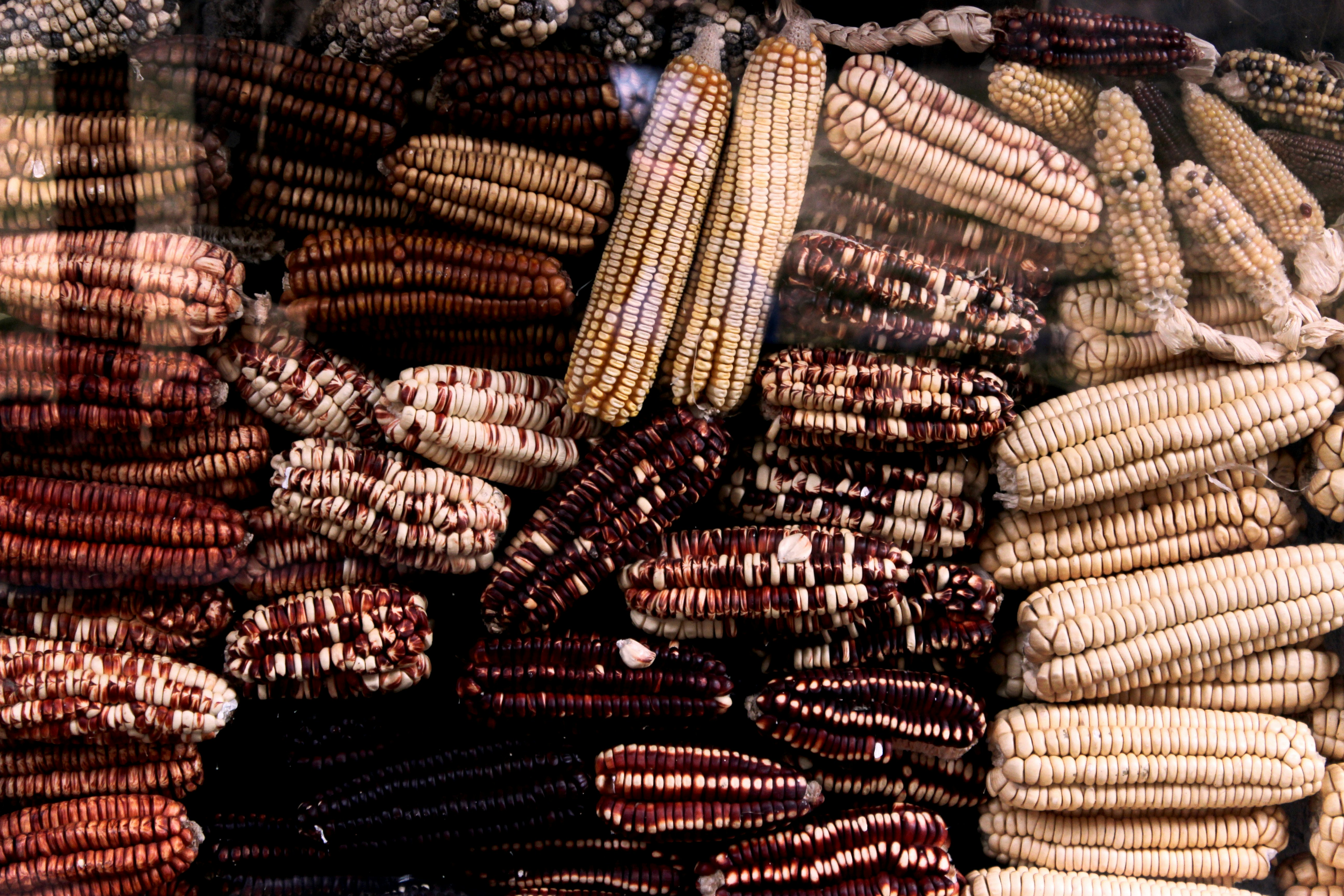
If I asked you to picture corn, what image comes to mind? Perhaps it’s a stalk of corn in a field or a boiled cob with a pat of butter. It might be surprising to hear that in 2026, corn is pretty much everywhere we look and is the most produced grain in the world. It is feeding livestock, sweetening foods and drinks, binding certain medications, and even fueling some vehicles. October celebrates corn as the whole grain of the month, but how did this small but mighty kernel come to be a cornerstone in so many industries?
From Grass to Grain
We first need to look at its origin and how this humble whole grain has played a pivotal role in more than the 21st century. Corn’s wild grass ancestor, teosinte, was first found 9,000 years ago when it made ears smaller than a pinky finger. Recent studies [2] suggest the domestication of corn and its central role in the diet occurred about 4,000 years ago around the time of the first settled agricultural communities in Mesoamerica. The domesticated teosinte, known as maize, then moved with early farmers and was used for trade to other communities which increased the spread across the continent. As maize moved, it evolved as it was cultivated to suit the geographical diversity within South America. Indigenous farmers bred their maize to adapt to different environments, allowing it to grow in the high-altitude of the Andes, and also thrive in the tropical conditions of the Amazon rainforest.
The dried kernels were lightweight and long-lasting, allowing them to fuel the large populations of the Mayan, Aztec, and Incan empires. The importance of maize as a food source allowed for population growth and was central in religious and cultural practices. Evidence of this significance in cultures like the Mayans [3] can be seen in maize art and structures of Chichén Itzá dedicated to maize god Hun Hunahpu. [4] Maize-based food and drinks are a core part of the Latin American Heritage diet and connect to a rich culture and history celebrating family and good health.
How Do We Go from Maize to Masa?
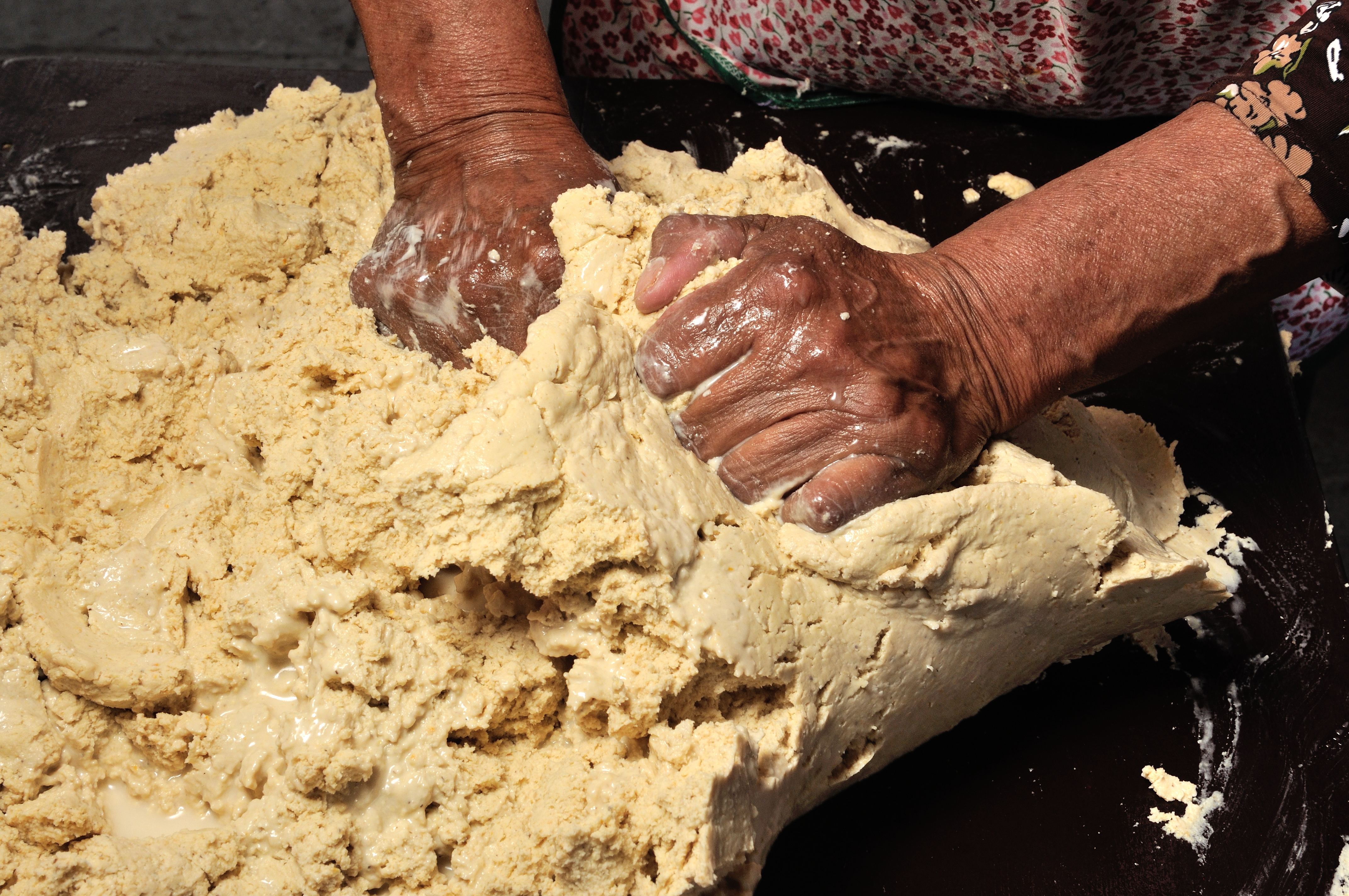
Nixtamalization is a process used across Mexico and South and Central America to process maize. This technique cooks dried kernels and steeps them in an alkaline solution, usually combining water and calcium hydroxide (also known as food-grade lime). The kernels are then rinsed, dried, and milled to produce masa [5]. Masa is a type of dough used to make the base of various food products like tamales and tortillas. Even though a very small amount of the corn’s bran layer may be rinsed away during the limewater soak, masa is often grouped in with whole grains because the nixtamalization process does so much to increase the bioavailability of so many of the grain’s nutrients. Specifically, nixtamalized corn has increased bioavailability of vitamin B3 (niacin), iron, calcium, and increases resistant starch.
We get questions at the Oldways Whole Grains Council about whether masa is counted as a whole grain. All forms of corn can be considered whole grain when they contain all of their bran, germ, and endosperm in their original proportions. Like the USDA and FDA’s approach, the Oldways Whole Grains Council counts masa flour as a whole grain as long as the nutrient profile is similar to whole grain corn, indicating that the bran layer is still present.
Making the Plate Cornier
Fresh, sweet corn (like corn on the cob) is generally considered a starchy vegetable, while dried corn, such as cornmeal, popcorn, masa, and polenta, is considered a grain. Corn ingredients like polenta, grits and cornmeal are sometimes refined, but not always. To make sure that you’re getting a whole grain version, look for the word “whole” (such as whole corn or whole grain corn) on the ingredient list, or look for the Whole Grain Stamp.
Aside from their great taste, whole grains are essential in creating a balanced, nutritious diet. Cardiovascular disease continues to be a leading cause of death and health loss around the world, and decades of research have shown that increasing whole grain intake can significantly reduce your risk of the disease. Corn has been a central figure in the Americas for thousands of years, and while we don’t celebrate corn the way ancient people did, it is still a core component of so many industries and can contribute to better health outcomes. When adding corn to the plate this October, turn back to traditional diets [6] and choose flavors that excite you. Some favorites include these jalapeño corn salmon patties [7] and this creamy polenta [8].
- Bri dela Torre MS, RDN, CLC, Community Engagement Dietitian
To have our Oldways Whole Grains Council blog posts (and more whole grain bonus content!) delivered to your inbox, sign up for our monthly email newsletter [9], called Just Ask for Whole Grains.