Touring the Brooklyn Granary & Mill [1]
For Whole Grains Month [2] this year, we took a field trip to Gowanus, Brooklyn to visit the Brooklyn Granary & Mill. [3]Opened in early 2025, this flour mill and bakery hybrid is a love letter to the art of milling, driven by the passion of its founder, Patrick Shaw-Kitch.
Patrick has spent over 20 years honing his baking skills in professional kitchens across the country. During his time at Blue Hill at Stone Barns as their Head Baker, Patrick was at the forefront of the local grain movement, working directly with farmers, seed breeders, and even universities to mill fresh, locally grown grains. It’s there that the seed for Brooklyn Granary & Mill was planted, and Patrick’s vision started to take shape. He wanted to bring back stone milling to New York City, using grains grown regionally with sustainability and flavor at the forefront. In opening the Brooklyn Granary & Mill, Patrick and his wife, Laura, have been able to create a space where people can have amazing flour alongside the connection that comes from knowing where your food is grown.
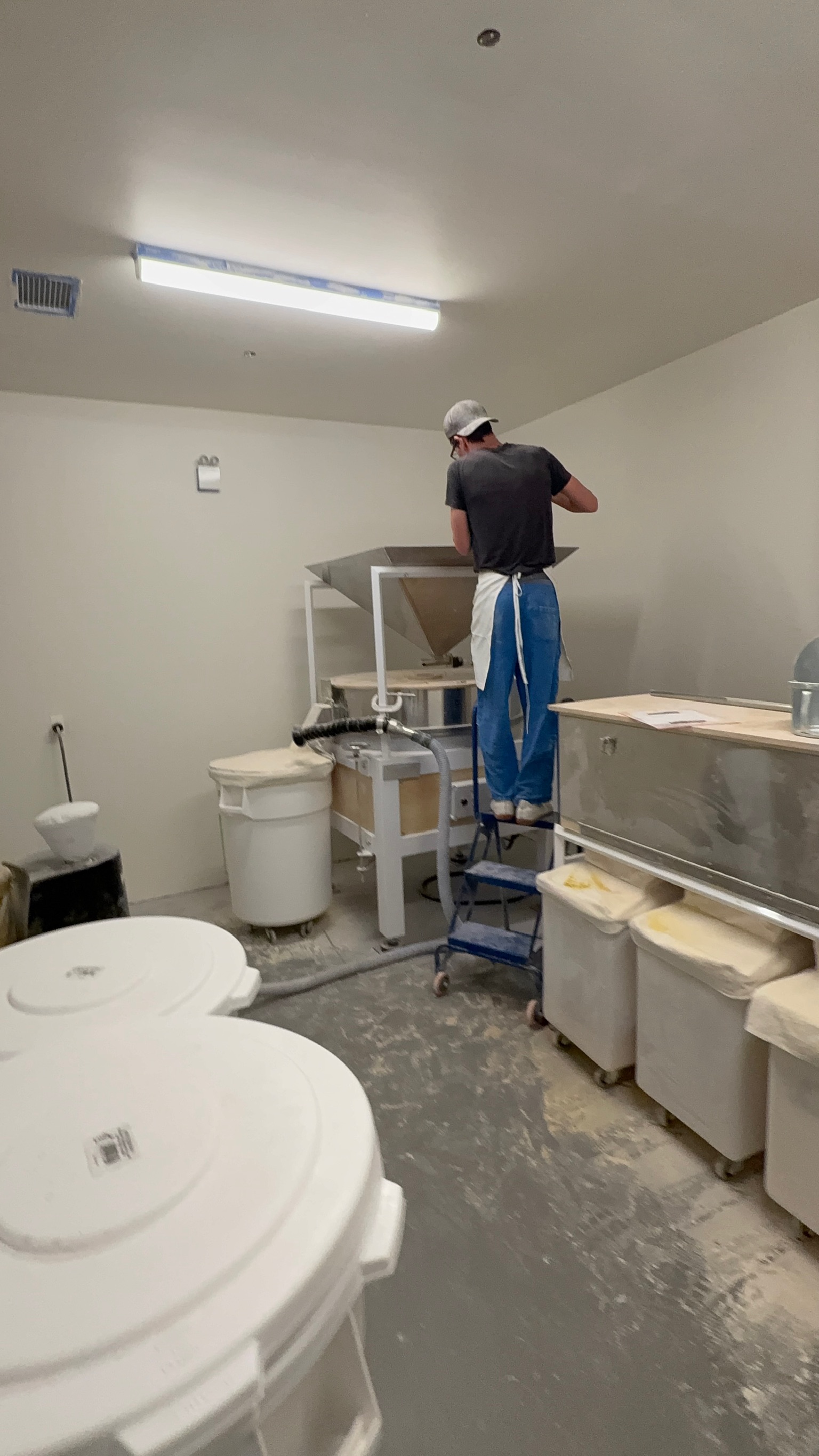
They converted a former warehouse in Gowanus into a bustling hub for milling and baking, with the team upstairs grinding fresh flour daily using traditional stone mills. These mills are the heart of BGM, turning hard red winter wheat, rye, spelt, and other grains into flour, preserving the richness of flavor found in the kernel. The fresh milling really showcases the versatility of whole grains in baking. It’s clear that Patrick and his team are committed to the idea that the best breads and pastries start with the best ingredients. That means sourcing grains from regenerative farms in the Northeast and Mid-Atlantic, many of them just a few hours outside the city like Hudson Valley Hops and Grains [4] and Seneca Grain & Bean [5] in the Finger Lakes.
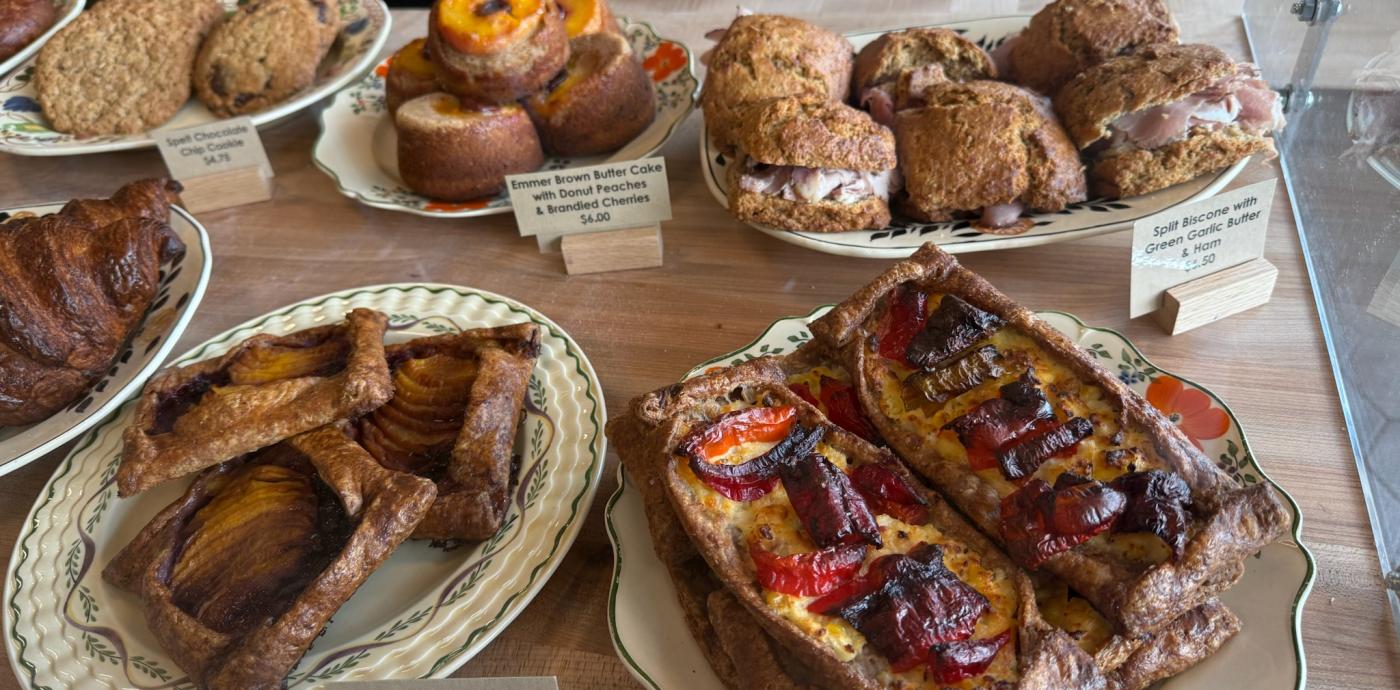
Every day, fresh baked whole grain loaves, rye bread, pastries, and more completely sell out. Hang around and you might find yourself chatting with bakers and local chefs who are picking up their latest batch of flour. Patrick also regularly delivers and ships to bakeries, restaurants, and home bakers who appreciate the deliciousness of fresh milled flour. The community spirit in the air shows that the team is building relationships and creating something that goes beyond food. We asked Patrick some questions about his work at the Mill:
What do you think most people misunderstand about whole grains, and how is the Granary working to change that perception?
This is a hard one! There’s a lot of misunderstanding and confusion around whole grains, especially whole wheat flour. Lots of people believe that all whole grains are the same, or they might not fully understand the nutritional benefits they offer. Because most people are used to refined flours, they sometimes think whole wheat is heavy or hard to work with, which isn’t true. We’re trying to change that perception by offering educational programs, workshops, and hands-on classes for professionals and home bakers.
What is the most surprising thing you’ve learned about the Northeast/Mid-Atlantic regional grain landscape?
One of the most surprising things is just how many dedicated farmers in the Northeast and Mid-Atlantic are growing high-quality grains using sustainable practices. It’s really great work, but what’s equally surprising is how little infrastructure and institutional support exists to help them scale or bring their products to broader markets. There’s a real disconnect between the quality of what’s being grown and the systems in place to support regional grain economies.
What tips would you give to both home bakers and manufacturers about baking with whole grains?
Don’t be nervous about using whole grains; whole wheat flour is the same thing as white flour, but with more flavor and nutrition! You may need to make small tweaks in your baking process, like in hydration levels or mixing times, but once you get the hang of it, they’re incredibly versatile. I believe it’s very important to know where your whole grain flours come from, to understand how they’re milled, and what variety you’re using.
Part of what makes Brooklyn Granary & Mill special is its place in New York’s growing local grain economy [6]. As urban consumers have become more aware of where their food comes from, it’s come with a renewed interest in local grains. New York State has over 30,000 farms, and while not all are growing grains, many are turning their attention to crops like wheat, barley, and rye that thrive in the state. The Finger Lakes region in particular has become a hotspot for local grain production with regenerative farming practices. While many farmers focus on high yield, BGM’s partners grow their grains in ways that focus on soil health and long-term sustainability.
This also creates a more transparent food system where people know exactly where their flour is coming from, and who’s behind it. Local chefs are increasingly interested in the flavors and textures that come from freshly milled grains, and Brooklyn Granary & Mill is helping to bridge the gap between farmers, millers, bakers, and consumers. These grains help connect people to the land, and BGM’s clear source labeling helps make sure that everyone involved gets the recognition they deserve.
Their focus on bringing local grains back into the spotlight and supporting regional farmers can change how we think about bread and flour. If you’re ever in the neighborhood, swing by, grab a loaf, and maybe even sign up for one of their baking workshops for consumers or professionals. We’re so grateful we were able to tour their facility!
To have our Oldways Whole Grains Council blog posts (and more whole grain bonus content!) delivered to your inbox, sign up for our monthly email newsletter [7], called Just Ask for Whole Grains. (Vik)
This interview was edited for clarity.