

Share This
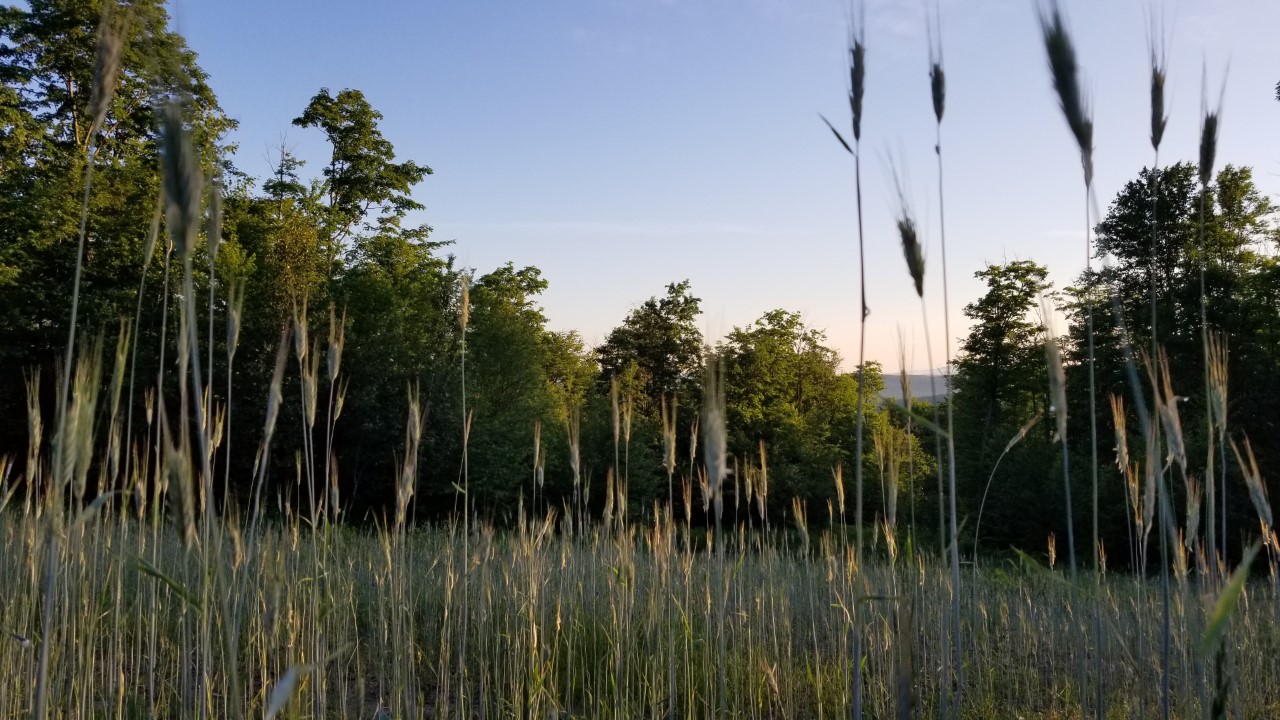
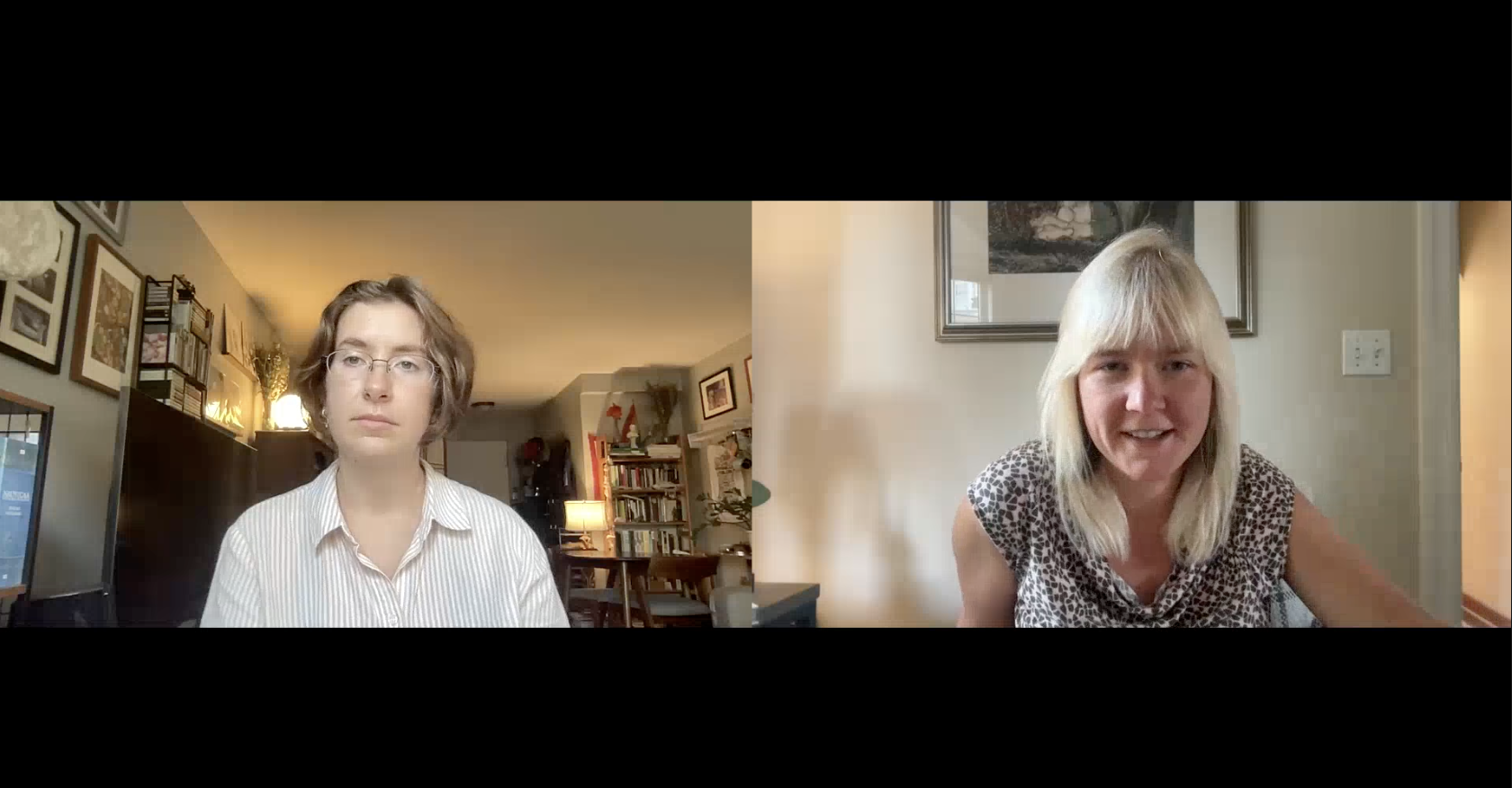
Every year, we celebrate Rye in the month of August! This month, we sat down with rye expert and WGC Scientific Advisor, Dr. Laura Valli, to gain insight into this complex grain. Dr. Valli brings anthropological perspectives into agricultural and food systems-related issues. She obtained her PhD from Washington State University Breadlab where she worked on rye, studying the entire grain network, from breeders and farmers to millers and bakers to eaters in the US and beyond. She is currently a postdoctoral fellow at the University of Missouri Center for Regenerative Agriculture, looking at the impact of digital technologies and cost-share funding on increasing farmers’ access to and adoption of more sustainable farming practices.
Could you talk briefly about the “accidental” cultivation of Rye?
Research currently suggests that rye originates from what we now know as Turkey in the Anatolian mountainous region. It’s considered to be a secondary domesticate, which means that humans didn’t intentionally choose to cultivate rye, but it was present in the fields of wheat or barley that early farmers might have been more interested in. Then, as people migrated northwards, they probably brought some seed with them. I personally like the hypothesis that rye might have had a role in helping people move northwards, just because it’s such a hardy and resilient grain. We know that wheat initially didn’t do as well on the northern latitudes, while rye would have flourished and sustained people there. I think it’s partly thanks to the work of those first farmers and breeders doing intentional selection that allowed us to grow wheat up north as well. The current production of rye is concentrated in that northern area we know as the rye belt, where rye holds special cultural significance.
How did you initially become interested in rye?
I was born and raised in Estonia, where everybody eats a lot of rye bread. It’s always available in grocery stores, in many different shapes and forms. As a kid, my family was unusual, in that we didn’t bake rye bread at home. My assumption was that baking was some magical process! But in the early 2010s, Estonia saw a surge of homemade bread baking. We procured a starter from a relative and started making rye bread at home for the first time. Soon after, we started sourcing rye flour from a small mill in the southern part of the country. This dipped my toes into a broader and deeper meaning on grains.
I realize now that before that, rye was very much a part of my identity without it being apparent on the surface. It’s the cornerstone of our diet in Estonia, and the flavor of rye bread is something that all Estonians miss when they move abroad. I knew that it was important to us, but I wasn’t really contextualizing it. I wasn’t necessarily thinking about the bakers and the millers and the farmers who are behind.
How did you choose rye as your focus, and how has your relationship with rye changed since you started your research?
Once I got more involved in the bread making process and I was interested in what the historic recipes are and just seeing rye as a crop in the field, I started to see all of the significant layers involved in the grain. I moved to the States in 2019, I decided to devote my grad school studies to rye. In my thesis, I wrote about how rye both became work and it became a bigger part of my identity, because oftentimes even amongst friends, I’m very much associated with rye.
When I think about how the meaning has changed for me, I have simultaneously a much more complex and clear view of the grain. I now think about how everything does start from the seed, and how the breeder really impacts the potential of the bread flour. I believe in the hidden power of the breeder, in a sense. I think what happens once you hone-in on a subject is that you realize how much there is to still learn, even after you’ve studied it for many, many years. You start seeing all sorts of interesting associations and parallels everywhere. When I look at a kernel of rye, I see that it has a dual potential, right? It can grow and produce some more seeds, or I can terminate its existence by baking something delicious out of it.
What is your favorite way to use rye? Have you learned new uses through your studies, or are you still a humble loaf of bread fan?
I think it is really empowering to be able to bake bread. I believe more people are realizing how significant it is to being human, to being able to sustain yourself on a very fundamental level. This is to say I do really appreciate rye bread. Something newer that I didn’t do in Estonia is use way more rye flour in pastries, especially cakes. I think that rye flour is a perfect pastry flour for anything that doesn’t demand high gluten, it gets this complexity of flavor. My overall rule when I’m baking at home is try and use at least 50% rye in the things that I’m making and of course, sourcing locally whenever possible.
What do consumers and manufacturers misunderstand about rye?
In the USA, a lot of rye is grown as a cover crop. There are estimates that about half the acreage that’s under cover crop is rye. So in the States, we actually grow more rye than you’d assume, but it’s not intended for human food. It’s not even animal feed or bioenergy production like it is in Germany, for instance. I really think there’s something to be said about the legislative side of agriculture and where subsidies are directed.
When we think about the market potential, potential consumers don’t have a full understanding of the versatility of rye. Flour is just equated with all-purpose wheat flour, pastry flour, bread flour. In many cases, grains are actually one of the last ingredients to assume an identity in our food system. I think that’s true even when we think about fine dining and farm to table movements! We think a lot about the varieties of produce like apples and kale, meat like pork and beef, but we don’t extend this identity to grains. We need to re-conceptualize baking with rye and the potential benefits there are in both the flavor and nutritional sides. The question is who would need to lead the change when it comes to adding a new grain in the grain landscape, right? Is it consumers, or producers, or is it the government? Figuring out the best collaborative approach will be the main challenge.
As a consumer, I find it difficult to demonstrate my demand for something that is not on the market yet in large scale production. I recently was in conversation with the lead of the Rye Resurgence Project in Colorado, Sarah Jones, and she was encouraging the perspective of, if available, going to your local baker or grocery store asking for rye bread. Then, crucially, you consistently need to show up to purchase that rye bread. I like that idea of shared responsibility.
This interview was edited for clarity.
To have our Oldways Whole Grains Council blog posts (and more whole grain bonus content!) delivered to your inbox, sign up for our monthly email newsletter, called Just Ask for Whole Grains. (Vik)
Add a Comment