

Share This
When you opt for brown rice in your fried rice, whole wheat bread for your sandwiches, or whole corn tortillas for your tacos, what motivates you to choose whole grains? Perhaps you’re a flavor enthusiast, and love the rich flavors whole grains add to dishes compared to their refined counterparts, maybe you’re taking the advice of your doctors to add more whole grains to your diet, or you’re just looking for small ways to make your meals more nutritious. Whatever your reason, bringing more whole grains into your everyday meals may be easier and yield more health benefits than you’d expect.
Research demonstrating the health benefits of whole grains has been growing for decades. One new meta-analysis, Whole-grain consumption and cardiometabolic risk: a meta-analysis of randomized trials, found that higher whole grain intake was linked to improvements in several key health markers, including lowering total cholesterol and specifically LDL (a.k.a. “bad” cholesterol), which is an important factor in cardiovascular health. Whole grains were also associated with small improvements in blood sugar, blood pressure, waist circumference, and inflammation markers. Improvements in those markers started at 48g of whole grains per day (or three 16g servings), and the greatest improvements were associated with 60-100g per day (or roughly 4-6 servings of whole grains per day). These gram amounts line up with daily whole grain consumption recommendations from around the world!
So, how do you translate concrete health advice like this into every day life? We have some good news: adding more whole grains to your meals doesn’t mean changing everything about the way you eat. The recommendation “make half your grains whole” is a great place to start. Here are some other tips for adding more whole grains to your every day meals.
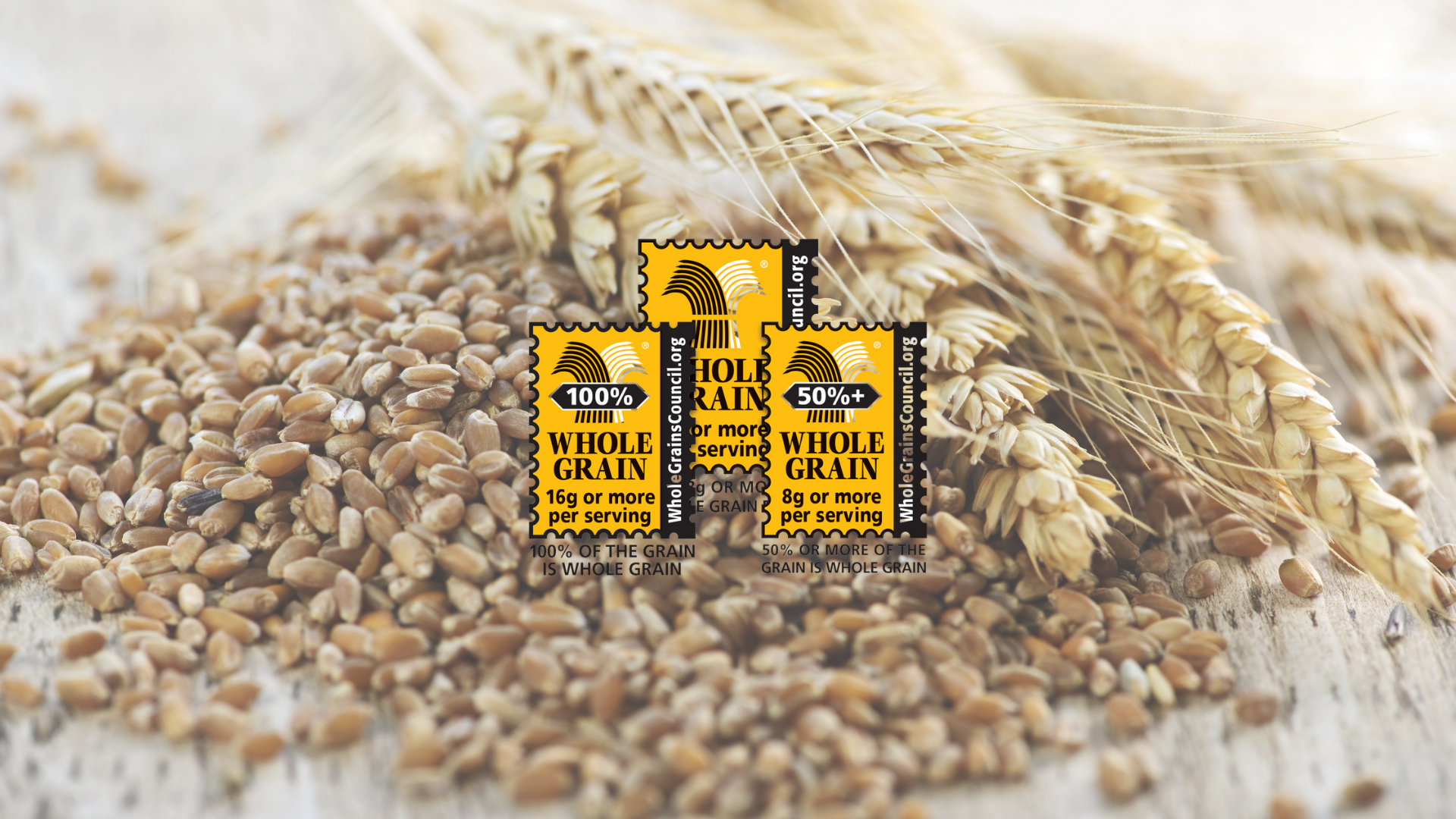
- Look for the Whole Grain Stamp. Our Stamp exists to remove the guesswork about how many grams of whole grains are in each serving of familiar products on your grocery store shelf! A single serving of whole grains is 16g, and we don’t certify any product with less than 8g (or half a serving of whole grains).
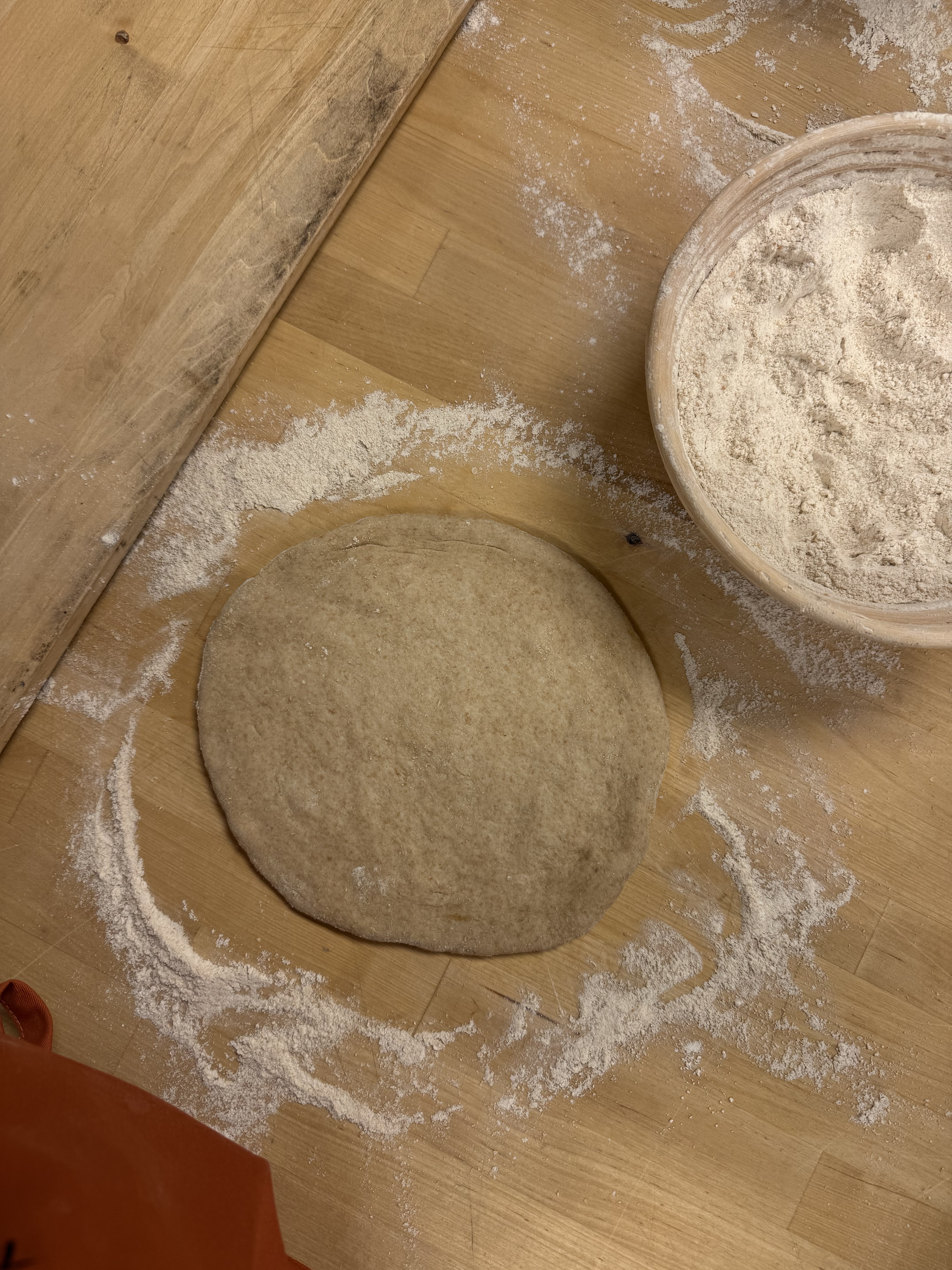
- Start by swapping out ¼ to ½ of your flour in baking recipes with whole grain flour. I recommend starting with a forgiving recipe, like banana or zucchini bread (we have 100% whole grain recipes for both as well). A personal favorite flour blend is ¼ whole wheat flour, ¼ oat flour, and ½ all purpose flour.
- Prepare multiple servings of whole grains in bulk. If you’re already making a batch of intact grains like brown rice, farro, wheat berries, bulgur, or quinoa, add some extra to your pot and set aside some cooked (but otherwise plain) grains—you can portion and transfer these into a freezer bag, or leave them in your fridge (to use within 3 days).
- Incorporate whole grains into your side dishes. If you keep some pre-cooked grains on hand, it makes it very easy to add to many kinds of vegetable sides. When roasting root vegetables like carrots, beets, orparsnips, I like to add a cup of cooked farro before dressing and serving. For salads, whether it’s leafy green based or not (like cucumber/tomato), I prefer to use smaller grains like bulgur, whole wheat instant couscous, or quinoa to add an extra nutritious boost.
- Look for whole grains at bakeries and restaurants. Maybe your favorite restaurant has an entree served with wild rice, or use whole grain corn tortillas in their dishes. Look closely the next time you’re ordering, and see what you can find! Whole grain baking is trending across America, with more neighborhood bakeries choosing whole grain flours for their many benefits including flavor, environmental, and physical health. Next time you’re at a bakery, see if there’s an option for a whole wheat flour croissant, mixed grain sourdough bread, or even buckwheat brownies.
The evidence keeps growing to support the health benefits of whole grains, so there’s never been a better time to learn about their taste benefits too! We love whole grains because they’re both nutritious and delicious, and there are many simple, tasty ways to invite them into your daily meals. Whether you start by swapping in whole grain bread at breakfast, choosing a whole grain base for your lunch bowl, or mixing in whole grain flour for your next baking adventure, every little bit helps.
- Vik Bensen, Program Manager, Whole Grains Council
To have our Oldways Whole Grains Council blog posts (and more whole grain bonus content!) delivered to your inbox, sign up for our monthly email newsletter, called Just Ask for Whole Grains.
Add a Comment