

Share This
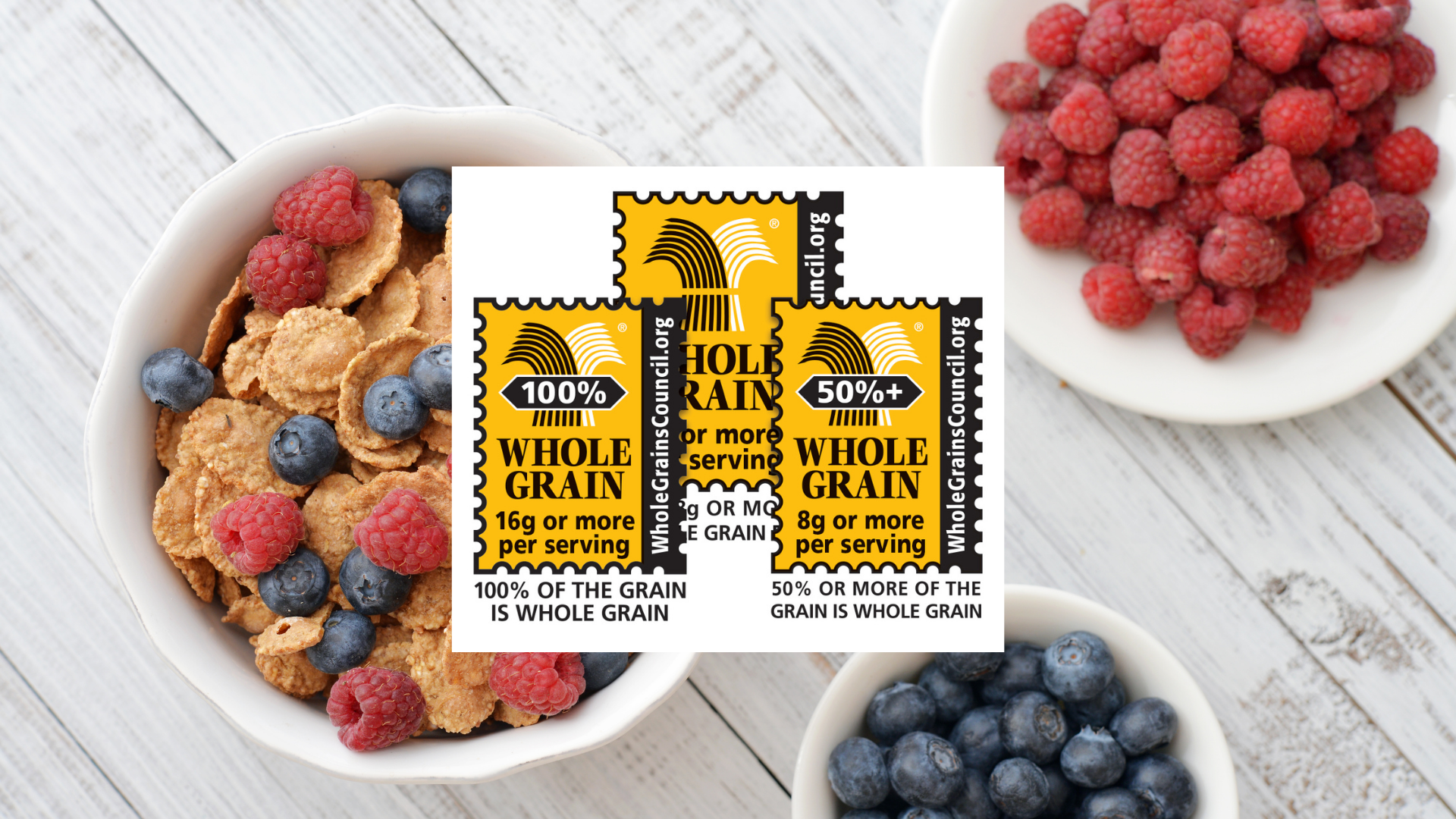
The newly released 2025-2030 Dietary Guidelines for Americans reaffirm something nutrition scientists have been saying for decades: whole grains are one of the foundational elements of a healthy eating pattern.
Although the new inverted food pyramid graphic may puzzle some readers at first glance, the textual guidance in the document is easier to interpret. The new Dietary Guidelines emphasize eating plenty of fiber-rich whole grains while limiting the consumption of refined carbohydrates. The current recommendation is that most Americans should aim to consume 2-4 servings of whole grains each day, which is largely consistent with U.S. nutrition guidance of the past several decades. From 2005-2025, previous editions of the Dietary Guidelines have urged people to make at least half their grains whole grains, recognizing links between increased whole grain consumption and reduced risk of chronic diseases such as heart disease, type 2 diabetes, and colorectal cancer.
A Clarifying Note on Processing and Whole Grains
Amid the overwhelmingly positive emphasis on whole grains, one area of the new guidelines where additional clarity would be helpful is in its focus on discouraging processed foods. We believe very strongly in encouraging healthier food choices, but a focus on processing rather than nutrition quality can unintentionally create confusion, especially when it comes to whole grains which must undergo processing before they can be safely consumed.
Processing is not an appropriate or accurate measure of a food’s nutrition quality, nor does it inherently diminish the nutritional qualities of a product. Without a more nuanced approach, it is easy for healthy foods (like whole grains) to be unintentionally lumped into the same processing category as far less nutritious products. It is also important to recognize that, unlike fruits and vegetables, grains cannot be harvested from the field and eaten as is – they must undergo processing to become an ingredient that is safe, edible, convenient, accessible, and tasty to eat. Processing is particularly important for whole grains and often improves their nutrient bioavailability.
Although minimally processed options like rolled oats and brown rice exist, most of the leading sources of whole grains in the American diet – such as breads, rolls, tortillas, and ready-to-eat cereals – are considered highly processed. A blanket rejection of highly processed foods could therefore discourage consumption of these important whole grain foods, potentially pushing Americans even further from meeting national whole grain recommendations and increasing their chronic disease risk.
Whole Grains & Health: What You Should Know
Decades of research show that whole grains deliver nutrients and benefits that refined grains often lack—including fiber, vitamins, minerals, and phytonutrients that support digestion, heart health, and steady energy. We also know that on average, American consumers struggle to meet their recommended intake levels for whole grains and that this low consumption is linked with increased rates of chronic disease. A recent health economics study found that if whole grain intake was increased to meet recommended levels, the estimated medical cost savings from reduced cardiovascular disease alone could save the US about $21.9 billion annually. While the cost savings potential itself is impressive, think how much healthier and happier we could be with more whole grains on our plates.
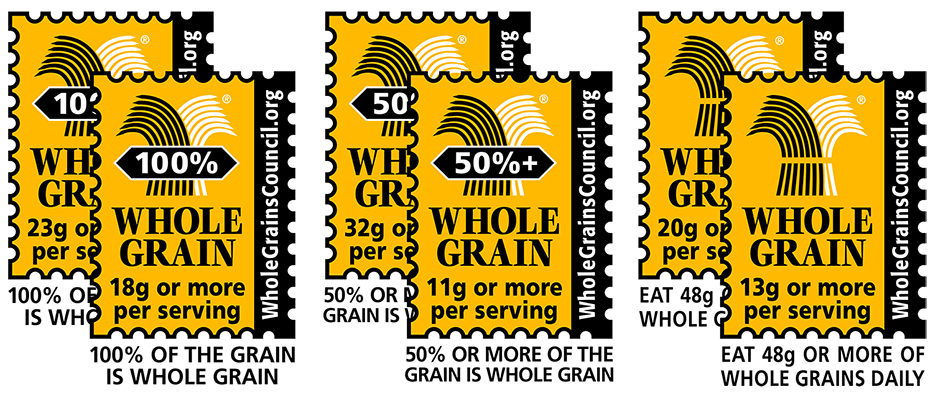
Fortunately, getting enough whole grains doesn’t have to be complicated. We invite you to let the Whole Grain Stamp take all the guess work out of it! We created the Stamp packaging label in 2005 to help consumers easily identify products that contain a meaningful amount of whole grain ingredients, and we encourage you to look for our handy third-party certification symbol on food packages to quickly and easily choose products that help you meet your daily goals. About 80% of products that use the Whole Grain Stamp contain more whole grain than refined grain.
To read more about what the 2025-2030 Dietary Guidelines mean for healthy eating more generally, we invite you to read our Oldways blog post as well. (Caroline)
To have our Oldways Whole Grains Council blog posts (and more whole grain bonus content!) delivered to your inbox, sign up for our monthly email newsletter, called Just Ask for Whole Grains.
Add a Comment