

Share This
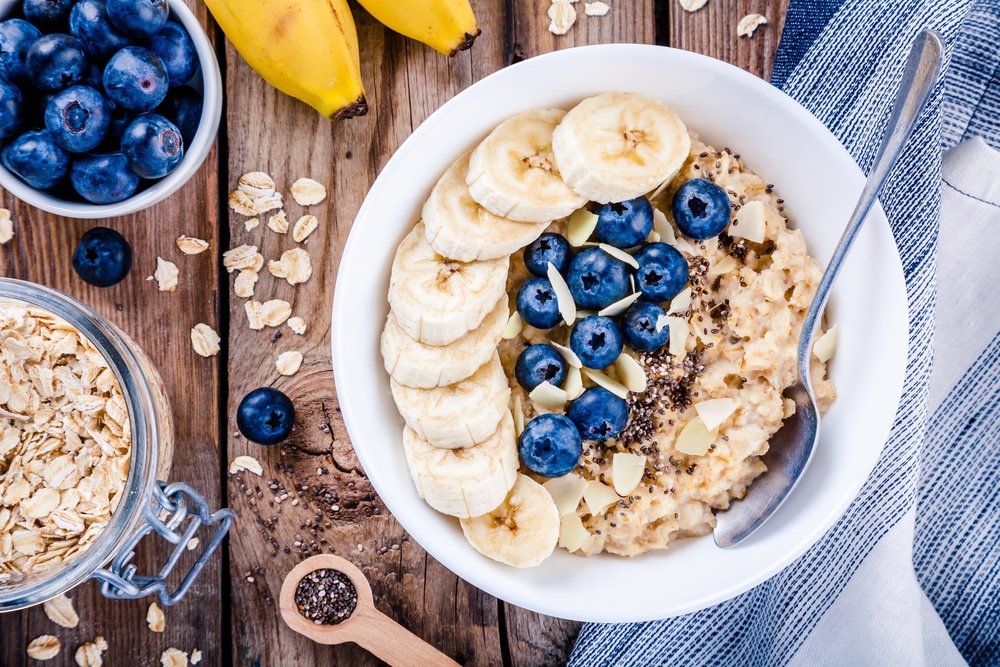
Every new year, millions of us set nutrition related goals. This year is no different, with 22% of Americans reporting wanting to eat healthier, hoping to build a habit that lasts longer than a few weeks. While some resolutions feel overwhelming from the start, approaching your larger resolutions through simple, realistic goals can set you on a path towards overall health. For anyone looking to eat healthier in the new year, we think eating more whole grains fits the manageable bill.
Whole grains can fit into the life you’re already living. One reason some New Year’s resolutions lose steam is because they can be too restrictive. Whole grains are versatile, and fit into a wide range of cuisines, budgets, and eating styles (check out our Heritage Diets program to learn more!). Whole grains can be a low-effort swap to get more nutrition from the meals we’re already eating, and they work just as well in quick desk meals as they do in slow-cooked family dinners. They’re not just for eating at home either—take a look and you’ll find whole grains on the menu at many restaurants!
Our most recent Consumer Insights Survey data shows that breakfast is where most Americans reach for whole grains, through tried-and-true favorites like oatmeal, whole wheat bread, and whole grain cereals. If you’re used to only eating whole grains at breakfast, how about adding them to lunch and dinner? Making them a regular part of meals doesn’t require strict rules or giving up your favorite foods, like pasta, chili, or even brownies. Our website has free recipes ready for you to upgrade familiar meals, rather than reinventing the wheel!

Why reach for whole grains more often? A large body of research shows that people who eat more whole grains can have a lower risk of heart disease, type 2 diabetes, and other chronic conditions. Whole grains are rich in nutrients that many Americans are deficient in, like fiber, B vitamins, iron, and magnesium. The fiber and naturally occurring compounds in whole grains help support healthy cholesterol levels and more stable blood sugar responses. They’ll also give you more energy to support your other goals! Whole grains are complex carbs, which means they digest more slowly than refined grains (simple carbs). They provide steadier energy throughout the day, which can help prevent the dreaded afternoon slump. Whether you’re in school, working, or exercising, whole grains offer reliable fuel.
We believe that small changes add up to big health benefits, so eating whole grains doesn’t have to be an all or nothing goal. Choosing brown rice instead of white rice in your lunchtime burrito bowl or choosing whole grain snacks like popcorn are small steps that can make a difference. That flexibility makes whole grains easier to stick with long term. To take the guesswork out at the store, we created the Whole Grain Stamp to help you identify foods that contain meaningful amounts of whole grains.
On our website, we offer a variety of tools to support anyone looking to eat more whole grains any time in the year. It’s never too late too add whole grains! We have plenty of beginner-friendly recipes, cooking guides, and shopping tips. Our free resources break down what counts as a whole grain and how to identify them, while our recipe collections offer ideas for whole days of eating. The best nutrition goals are realistic, flexible, and enjoyable. As the new year begins, consider making whole grains a regular part of meals and snacks. It’s a small change that can add up to major health benefits well beyond this year. (Vik)
To have our Oldways Whole Grains Council blog posts (and more whole grain bonus content!) delivered to your inbox, sign up for our monthly email newsletter, called Just Ask for Whole Grains.
Add a Comment