

Share This

February is Black History Month, bringing us together to recognize the history, resilience, and contributions of Black communities. At the Whole Grains Council, we see the connection between food and culture clearly through the role of whole grains in African and African diaspora culinary traditions. During the Transatlantic Slave Trades, African ancestors were displaced to places with different ingredients, culinary traditions, and cultural influences. Drawing on their food knowledge and traditions, they blended the new with familiar practices to create the dishes that define African heritage cooking today.
Many of the grains we love today for their nutrition and deliciousness have roots in thousands of years of African agricultural history. In fact, Africa is home to more native whole grains than any other continent! For thousands of years, grains like sorghum, millet, teff, and African rice have been sustaining communities across diverse climates and regions. These staple crops were originally adapted to challenging environments, and became the base of everyday meals and culinary traditions. Those traditions have shaped foodways throughout the USA, the Caribbean, and South America. Let’s dive into the origins of some these grains below, with quick ideas to prepare them for Black History Month and beyond!
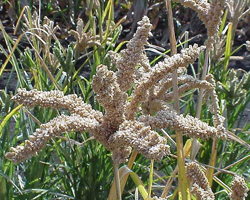
Sorghum was domesticated in northeastern Africa more than 5,000 years ago, and its ability to thrive in hot and dry conditions has made it a dependable staple. Today, sorghum is regaining popularity, and our website has plenty of ways to enjoy this pleasantly chewy grain. Try using sorghum as the base for a hearty grain bowl like our East African Sorghum Bowl, or toss it into a salad with citrus and herbs. Sorghum can also be popped like popcorn for a simple whole grain snack!
Millet, both easy to prepare and versatile, has long been used in porridges, flatbreads, and steamed dishes. Millet comes from a few small seeded grasses that were domesticated in the Sahel region of Africa, where they adapted well to semi arid conditions. Millet’s shorter growing season and tolerance to poor soil made it essential for early farming communities. When cooked with a bit less water, it becomes light and fluffy and works well as a substitute for rice or couscous. With more liquid, it turns creamy and comforting, making it perfect for breakfast porridge with fruit and nuts. Serving millet alongside beans and leafy greens is a simple way to enjoy traditional African diaspora food pairings.
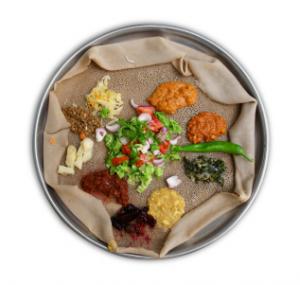
Teff, native to the Horn of Africa, has been cultivated for more than 3,000 years. Many people are familiar with injera, the fermented flatbread that is central to meals in Ethiopia and Eritrea. Injera serves as both plate and utensil, and is easy to share in communal dining. Teff is a tiny but mighty grain; nutrient dense with a mild, slightly nutty flavor. We recommend trying a teff porridge with nuts and warm spices, or experiment with teff flour in pancakes or muffins.
African rice (Oryza glaberrima) was domesticated in West Africa around 3,000 years ago along the inland delta of the Niger River. Long before European contact, West African farmers created sophisticated rice growing systems, which included irrigation methods that later informed rice cultivation in the Americas. Asian rice varieties are currently grown more widely, but the history of African rice is central to understanding global food systems. To celebrate this legacy, consider preparing brown or red rice in dishes inspired by the African diaspora, like Hoppin’ John, or Caribbean style rice and peas.
During Black History Month, featuring these grains on your plate is one way to celebrate history daily through food. Cooking with sorghum, millet, teff, or rice connects us to agricultural knowledge that spans continents and generations. You can learn more about celebrating Black history through food in our African Heritage Diet program, which celebrates and educates about the rich culinary traditions of the African Diaspora. By learning their recipes and bringing them into our kitchens, we celebrate their nutritional value and the diaspora communities who have preserved and shared them for centuries. (Vik)
To have our Oldways Whole Grains Council blog posts (and more whole grain bonus content!) delivered to your inbox, sign up for our monthly email newsletter, called Just Ask for Whole Grains.
Add a Comment